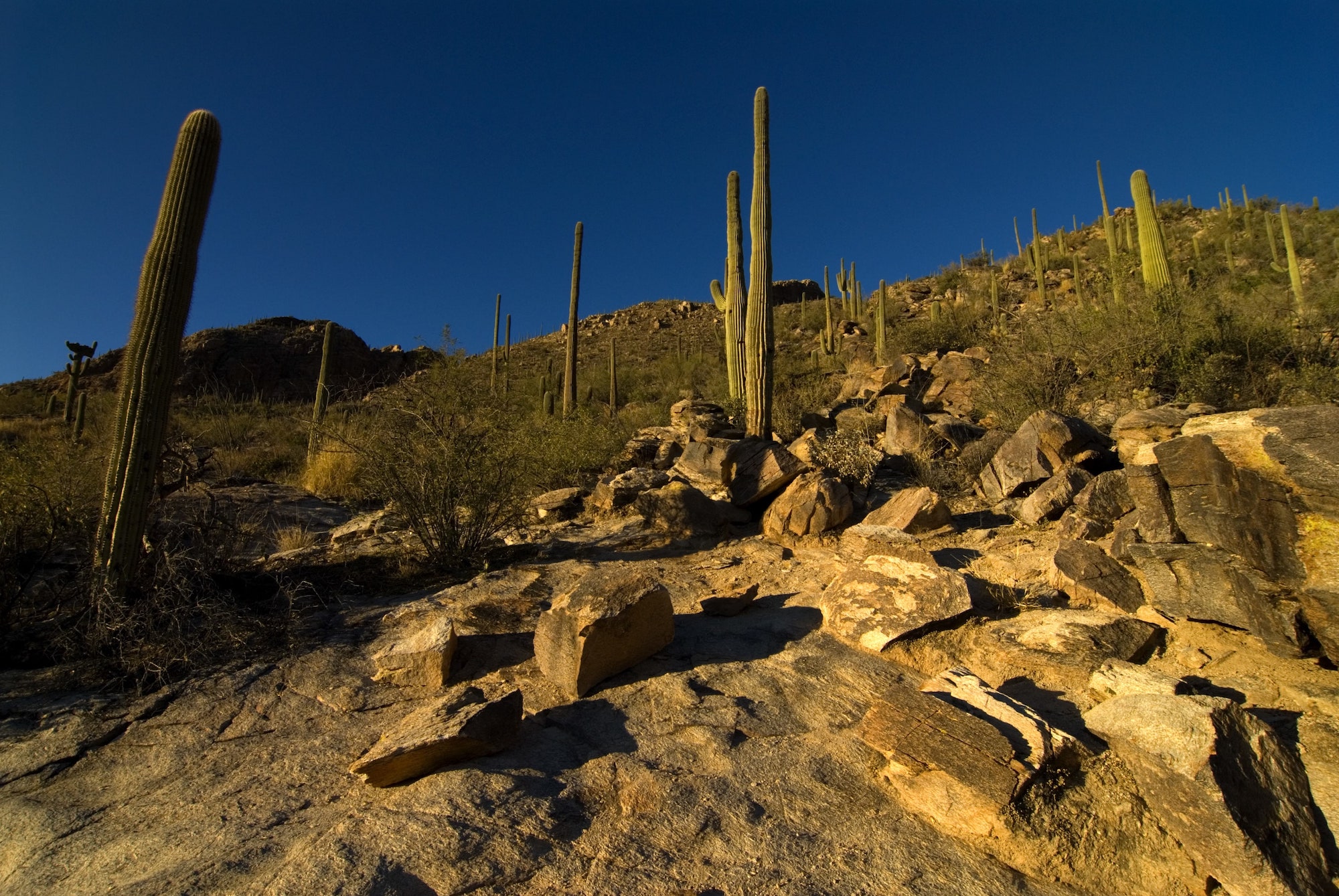
About The Nature Conservancy Arizona
We work in all 50 states of the U.S. and in 30 countries, protecting habitats from grasslands to coral reefs, from Australia to Arizona to Zambia. We partner with governments, universities, indigenous communities, business, and other non-profits engaged in protecting land and water for nature and people.
About Arizona Conservation Science
Arizona faces critical challenges in preparing for a prosperous and sustainable future. Solving pressing challenges about water supplies, how we grow, where we build our transportation and energy infrastructure, how we sustain our environment and improve quality of life will require strong, creative leadership, institutional capacity and public support. It also will require new information and tools to help problem-solve and enable stakeholders and policy-makers to evaluate options and tradeoffs. In an increasingly specialized world, solving complex problems will require better integration of policy and science in conjunction with public and private sector engagement.
Our website hosts more than a decade of conservation science generated by Arizona Conservancy staff and collaborators. It will also take a closer look at issues such as growth, water, and the management of our changing forests, grasslands and deserts. We will highlight initiatives that bring together people, science, policy, and solutions. The Center draws upon staff from all programs within the Conservancy. Below are profiles of Arizona’s conservation science and policy staff
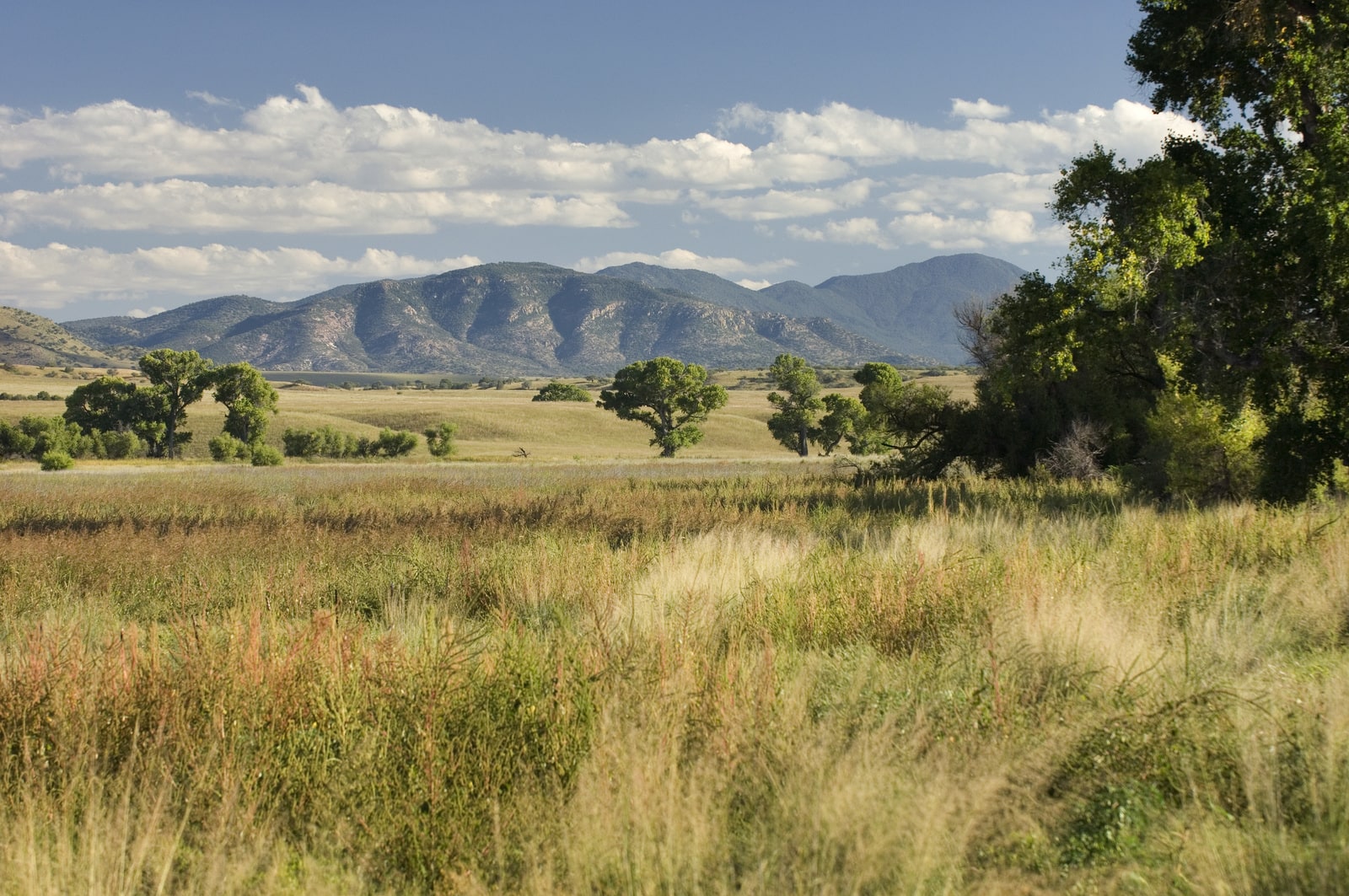
Our Small Team in Arizona

As lead scientist for the Arizona chapter, Marcos develops and implements a compelling scientific agenda, represents science work externally to public, private and academic sectors, and communicates. priorities and strategies to media. As conservation scientist for the forest and climate program, Marcos works to advance forest and climate mitigation strategies at landscape, multi-state and regional scales, and develops partnerships with external scientific agencies and academic institutions.
Trained as an ecosystem ecologist, Marcos has been working in conservation science for 20 years. Prior to joining the Conservancy, he worked as a project manager and conservation scientist for NatureServe. Marcos obtained his Masters degree in Ecology from Colorado State University where he did his thesis work on grassland and soil conservation in Wyoming.

Gita’s focus with The Conservancy is on helping land managers identify and fill their biological information needs and tie this information back into decision making. A major part of this work has been partnering with the Bureau of Land Management to design more informative and efficient ecological monitoring for the Las Cienegas National Conservation Area near Tucson, AZ.
Gita got her start as an Ecologist as a child in the woods of northern New Mexico. She has been active in conservation of the Sky Island-Apache Highlands region since 1993, doing teaching, outreach, policy, and science work with several schools and non-profits. Her Ph.D. research on biodiversity and systematics of tropical jumping spiders indulged her love of the little things that run the planet and taught her to make the most of limited data about an unlimited world.
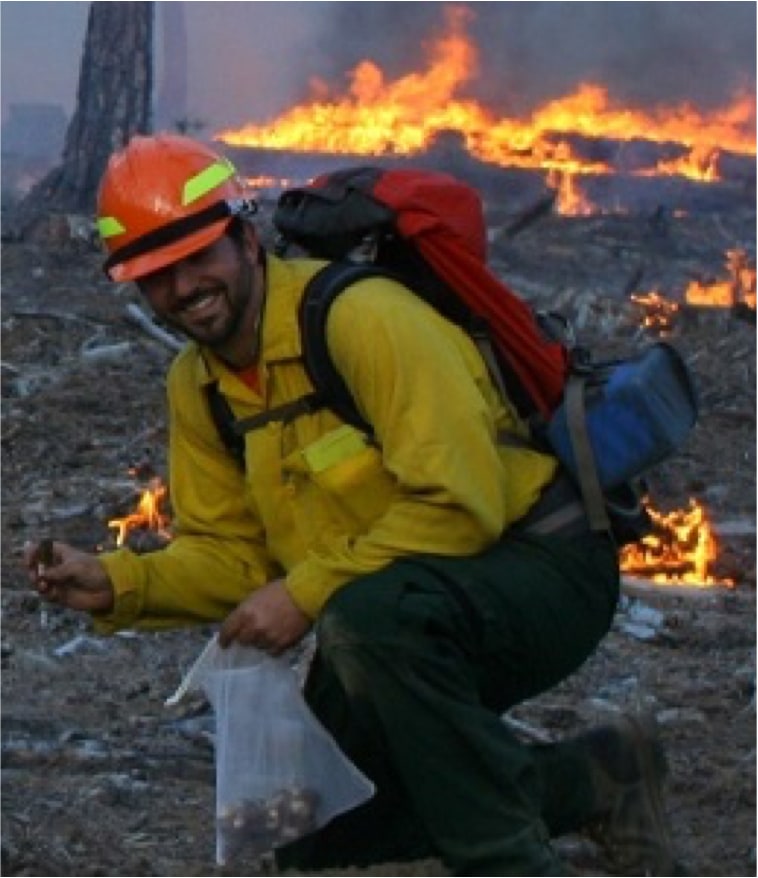
Travis uses an understanding of ecological relationships in forested ecosystems and sampling/monitoring expertise to design and implement science-informed adaptive management and monitoring programs. In a collaborative framework, he also develops and applies a variety of techniques and practices that promote innovation in monitoring, modeling, and the use of science-based information in decision-making.
Trained as a Forest Ecologist, Travis was introduced to monitoring through his time working at the H.J. Andrews Experimental Forest. Here he gained an appreciation for Long Term Ecological Research and the value it can bring to management decisions. Before coming to The Nature Conservancy, Travis worked as a Faculty Research Assistant for The College of Forestry, Oregon State University, designing and implementing research projects examining a variety of forest health issues. Examples of research include snag creation for wildlife habitat, disease environment interactions, old-growth vs. re-growth forest structure, post-fire tree mortality, and bark beetle and fire interactions.
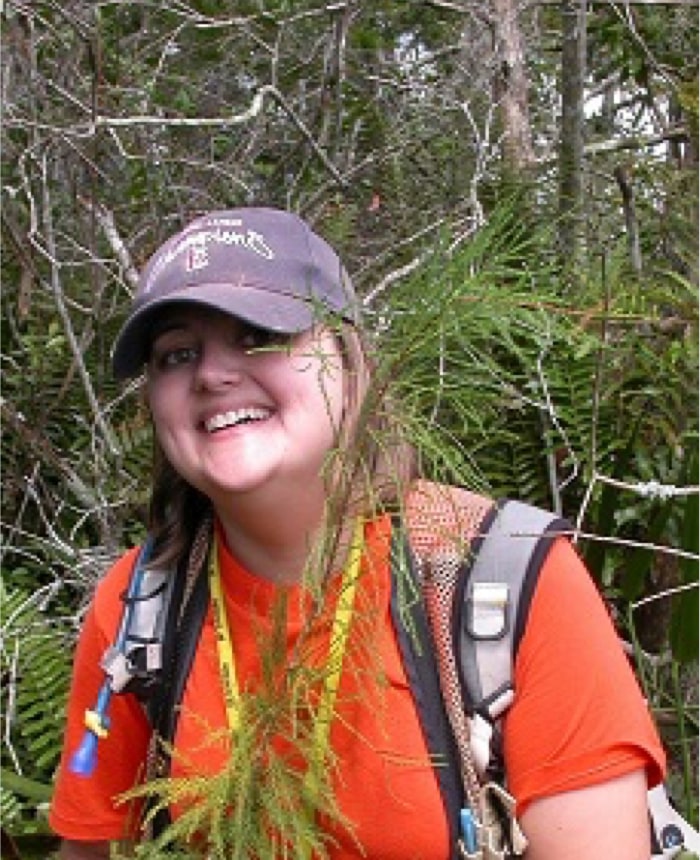
Lisa serves as the spatial analysis lead on projects within the Center for Science and Public Policy. She uses science-based tools, information and analyses to assist in protecting natural systems and ensuring natural systems adapt to changing land use and climate.
Lisa has a degree in Conservation Biology with experience in spatial and statistical analyses, landscape ecology, GIS, climate modeling, and hydrological modeling. Her overall interests are studying the effects of anthropogenic alterations on species and natural systems. Her past project include studying the effects of agriculture on isolated wetlands loss and hydrology, the effect of urbanization of cypress wetlands, and the effects of climate change on grassland bird distributions.